

Understanding the psychological triggers that drive gambling behavior in casinos
The Allure of the Casino Environment
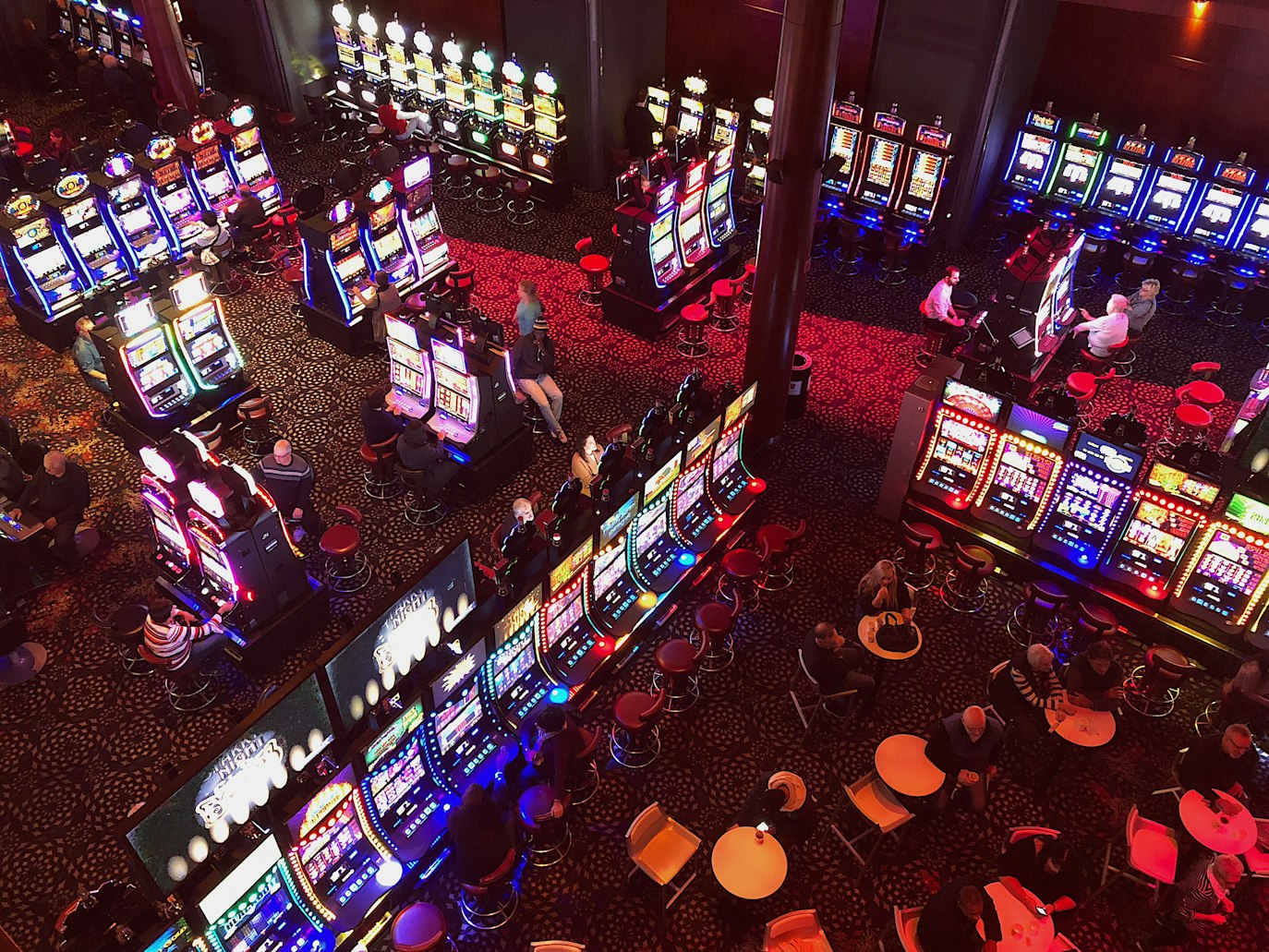
The casino environment is meticulously designed to stimulate and engage players. Bright lights, vibrant colors, and enticing sounds create an atmosphere that is both exhilarating and immersive. This sensory overload not only captures attention but also heightens emotions, making players more susceptible to impulsive decisions. The use of design elements in casinos is not merely aesthetic; it serves a psychological purpose, drawing players in and encouraging them to spend more time and money. For instance, many enthusiasts enjoy exploring online platforms like https://gransinocasinouk.com, where similar captivating designs can be experienced.
The Role of Reward Systems
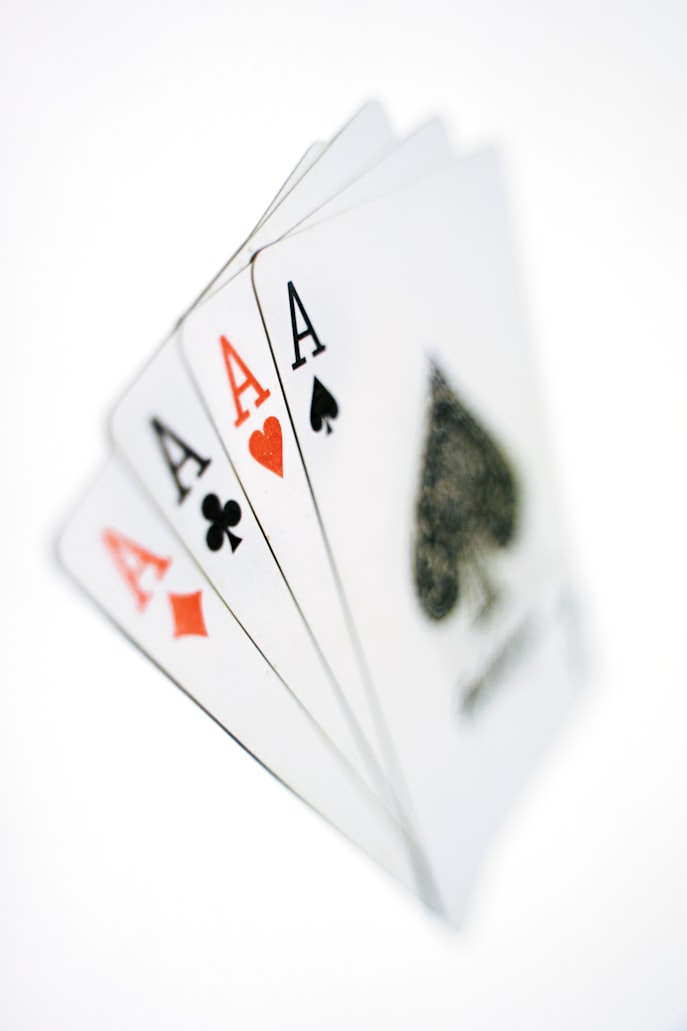
A significant factor in gambling behavior is the reward system that casinos create through various mechanisms, such as jackpots and loyalty programs. The intermittent reinforcement schedule, where players receive rewards unpredictably, is particularly effective in maintaining engagement. This type of reinforcement is akin to a slot machine payout, where players might experience a win after several losses, creating a cycle of hope and anticipation.
Additionally, the excitement of potential big wins plays a crucial role in keeping players invested in the gaming experience. Players often find themselves lost in the thrill of the moment, driven by the possibility of winning large sums of money. This psychological high can lead to what is known as “chasing losses,” where players continue gambling in hopes of recouping their previous losses, further entrenching their behavior.
The Impact of Social Influences
Social dynamics significantly influence gambling behavior in casinos. The presence of other players can create a communal atmosphere, where individuals feel encouraged to participate due to the collective excitement. This social reinforcement can lead to increased spending, as players may feel compelled to keep up with their peers or join in the thrill of the game.
Additionally, the social stigma often associated with gambling can paradoxically heighten its allure. The thrill of engaging in a behavior that is deemed risky or taboo can enhance the excitement and draw individuals further into the gambling experience. This complex interplay of social factors contributes to the psychological triggers that compel people to gamble in casinos.
The Psychological Mechanisms of Decision-Making
Cognitive biases play a significant role in gambling behavior. For example, the gambler’s fallacy, where individuals believe that past events can influence future outcomes, can lead to misguided strategies and increased risk-taking. Many players mistakenly think that a winning streak will continue or that a losing streak is due for a turnaround, which can result in reckless decision-making.
Moreover, emotional factors such as excitement, stress, or even boredom can drive players to gamble impulsively. When faced with these emotions, individuals may turn to gambling as a coping mechanism, seeking solace in the thrill of the game. This emotional connection to gambling can create a cycle of behavior that is hard to break, reinforcing the psychological triggers that compel individuals to return to the casino.
Explore Quality Gaming at Gransino Casino
For those intrigued by the psychology of gambling, Gransino Casino offers a unique platform to experience this phenomenon. With an extensive range of games, including slots and live dealer options, players can engage in a thrilling environment tailored to their preferences. The secure and user-friendly interface ensures that players can focus on the excitement of the game while enjoying peace of mind.
At Gransino Casino, the commitment to customer satisfaction is paramount. With exclusive bonuses and exciting tournaments, players can maximize their enjoyment while exploring the captivating world of online gaming. Join today and discover the intricate psychological triggers that drive the exhilarating experience of gambling.
“`

 Arabic
Add comment