

The evolution of gambling A journey through time
The Origins of Gambling
The history of gambling can be traced back to ancient civilizations, where the act of wagering on uncertain outcomes was prevalent. Archaeological findings suggest that the earliest evidence of gambling dates back to around 3000 BC in China, where rudimentary dice made from animal bones were used. Similarly, in ancient Mesopotamia, clay tablets featuring gambling games illustrate the significance of chance and risk in their society. These early forms of gambling laid the groundwork for what would evolve into structured games of chance, such as those you can discover at https://lizaro.live/.
As cultures evolved, so did the forms of gambling. The Romans, for instance, engaged in betting on gladiatorial contests, creating a strong connection between sport and gambling. They utilized various betting systems, reflecting a more organized approach. With the spread of the Roman Empire, gambling practices reached different regions, adapting to local customs and traditions, thus enriching the overall landscape of gaming.
By the Middle Ages, gambling had firmly embedded itself in various societies across Europe and Asia. Card games began to gain popularity, with the introduction of playing cards from China through Persia. The blending of different cultures led to a variety of games, and gambling became associated with social gatherings and entertainment. These early forms of card games would eventually evolve into the diverse range of gambling options available today.
The Rise of Organized Gambling
The 17th century marked a significant shift in gambling, as governments began to regulate and formalize the industry. The establishment of state-sponsored lotteries provided a legal avenue for citizens to gamble, thereby generating revenue for public projects. Lotteries became highly popular in Europe, particularly in England, where they funded everything from infrastructure to military efforts. The public’s growing interest in gambling prompted authorities to embrace it as a legitimate source of income.
Alongside lotteries, the birth of casinos can be traced to this era. The first official casino, known as the Casino di Venezia, opened its doors in Italy in 1638. This establishment set a precedent for future casinos, where patrons could engage in various games of chance under one roof. The allure of casinos quickly spread across Europe, with iconic venues emerging in cities like Monte Carlo and Baden-Baden, further glamorizing the gambling experience.
During this period, games such as baccarat and roulette became synonymous with high society. The expansion of gambling continued through the development of gaming regulations, ensuring that the practice became more organized and standardized. The rise of organized gambling facilitated not only entertainment but also a sense of community among players, as they gathered in venues to share their passions.
The Advent of Modern Gambling
The 20th century brought forth a revolution in gambling, fueled by technological advancements and a growing appetite for entertainment. The legalization of gambling in various jurisdictions, especially in the United States, led to the proliferation of casinos. Las Vegas became the epitome of modern gambling culture, drawing in millions of visitors eager for both luxury and thrill. The establishment of themed casinos and elaborate shows contributed to the overall experience, transforming gambling into a multi-faceted form of entertainment.
The introduction of electronic gaming machines in the mid-20th century also played a crucial role in reshaping the gambling landscape. Slot machines became a staple in casinos, providing a simpler, yet thrilling, alternative for players. The rise of video poker and other electronic games diversified the options available to gamblers, making the experience more accessible and appealing to a broader audience.
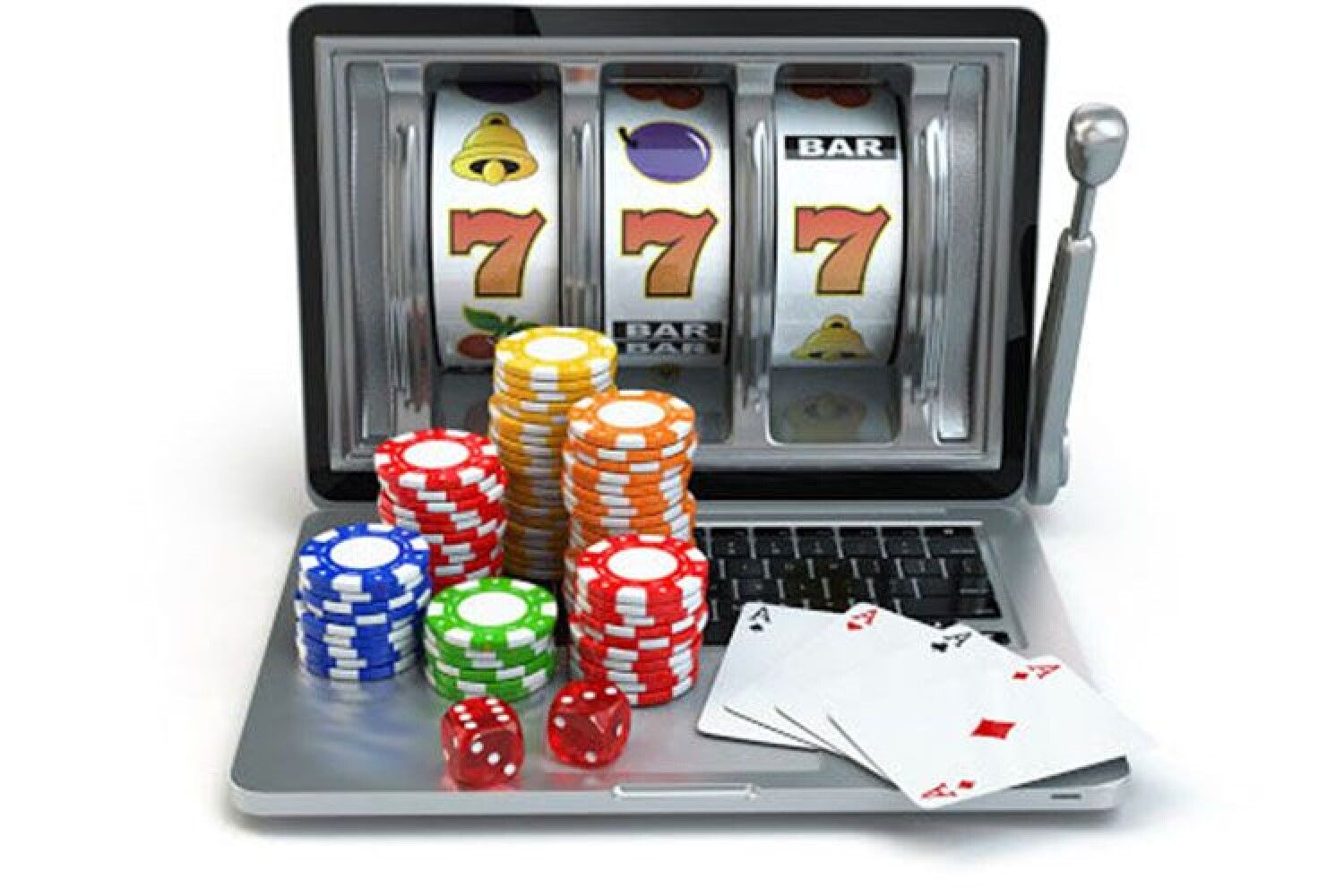
Additionally, the late 20th century witnessed the rise of online gambling. The advent of the internet allowed players to gamble from the comfort of their homes, opening up a new frontier in the gambling world. Online casinos emerged, offering an extensive array of games and betting options, thereby democratizing access to gambling for millions. This transformation not only changed the way people engage with gambling but also raised new challenges regarding regulation and consumer protection.
The Impact of Technology on Gambling
Technology has consistently influenced the evolution of gambling, particularly in recent decades. The introduction of mobile devices and applications has led to a significant shift in how players interact with gambling platforms. Mobile gaming enables players to access their favorite games anytime and anywhere, creating a more flexible and dynamic gambling environment. This accessibility has resulted in a surge in online gambling activities, further blurring the lines between traditional and digital gambling.
Moreover, the use of data analytics and artificial intelligence in online gambling platforms has enhanced the overall user experience. Casinos can now offer personalized gaming experiences, using algorithms to recommend games based on players’ preferences and behaviors. This level of customization not only keeps players engaged but also fosters loyalty to specific platforms. The integration of live dealer games has further elevated the online gambling experience, allowing players to enjoy the thrill of real-time interaction from home.
As technology continues to advance, the gambling industry is likely to see even more innovations. Virtual reality (VR) and augmented reality (AR) hold the potential to revolutionize how players experience games, offering immersive environments that simulate the feel of being in a physical casino. As these technologies develop, they promise to redefine the gambling landscape once again, attracting new generations of players with unique and engaging experiences.

Lizaro Casino: A New Era in Online Gambling
Launched in 2024, Lizaro Casino represents the pinnacle of modern online gaming, offering players an expansive selection of over 9,600 casino games. The platform combines state-of-the-art technology with user-friendly design, ensuring a seamless experience whether playing on desktop or mobile devices. With a commitment to security and quick withdrawals, Lizaro ensures players can enjoy their gaming experience without concerns about safety or reliability.
New members at Lizaro Casino are greeted with a generous welcome bonus of up to €1,000, along with 200 free spins, providing an enticing incentive to explore the vast gaming library. The inclusion of live dealer experiences enhances the interactive aspect of online gambling, allowing players to engage with real dealers in real-time. This innovative approach reflects the evolution of gambling into a highly engaging, social experience.
As Lizaro Casino continues to grow, it exemplifies how the gambling industry has evolved from ancient practices to a sophisticated, digital landscape. The platform caters to a diverse range of players, ensuring that everyone can find something that piques their interest. With a commitment to excellence and innovation, Lizaro Casino invites players to embark on their own thrilling journey through the world of online gambling.

 Arabic
Add comment